

By: Hannah Ford
FAYETTEVILLE, Ark. – Social media is one of the biggest parts of a young person’s life. Hours upon hours are spent on these entertainment platforms.
With these platforms comes opinions. Whether it be fashion, entertainment, or politics, these social media outlets allow any and all who participate to share their opinions on certain events.
One graduate student is working on a survey to see the relationship between one social media outlet and political opinions.
Kendal Heavner is a graduate student from the University of Arkansas Journalism Department.
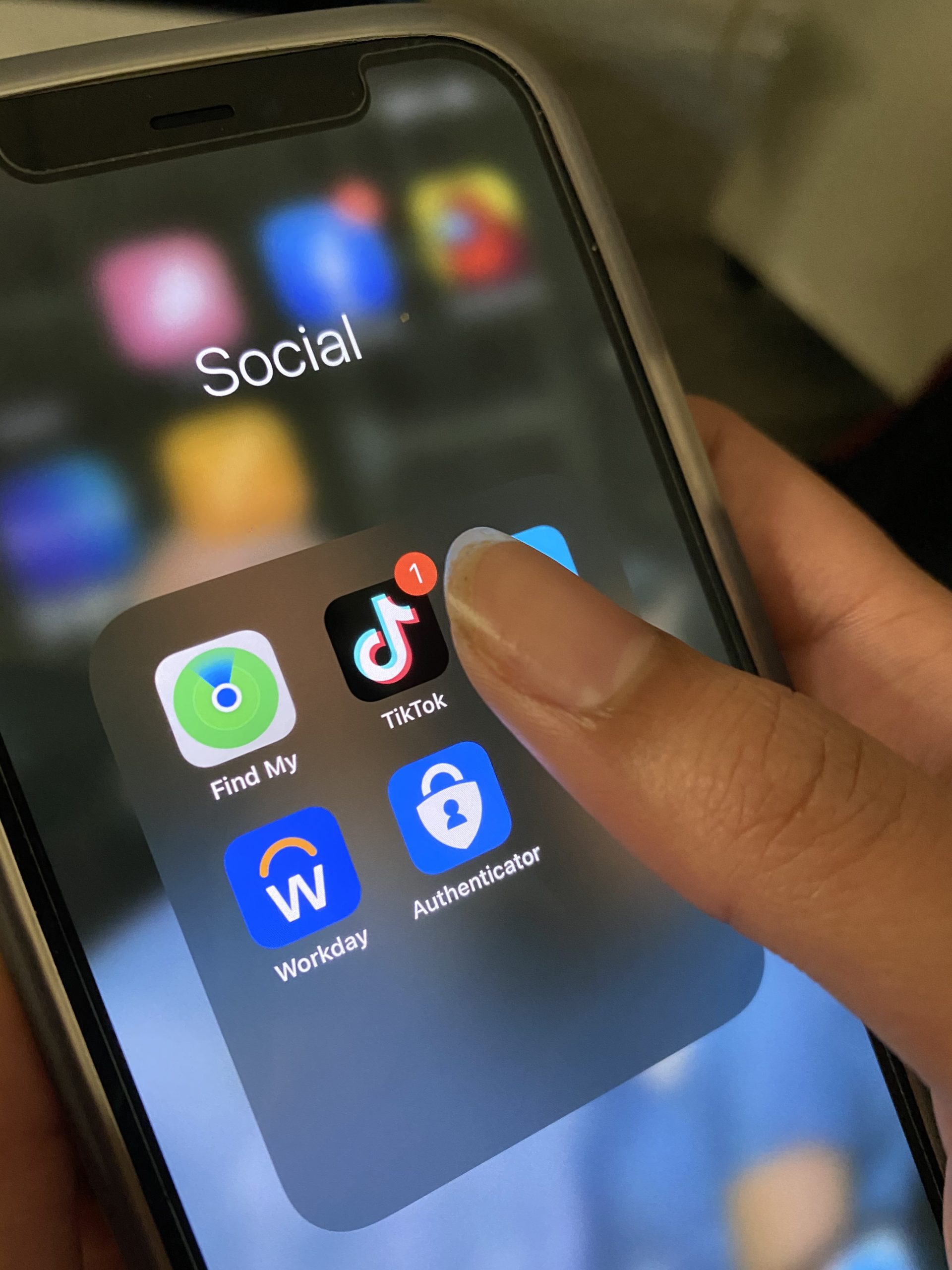
Heavner says that she wants to ultimately see the relationship between TikTok, a video sharing platform, and online political discourse.
“I’m specifically interested in media algorithms and how they impact news gathering, specifically for college aged students,” Heavner said.
Most college aged students find their information on current events through social media.
Tyler Pauley, a senior at the University of Arkansas, says that he uses Twitter and TikTok a lot during the day and it helps keep him updated on what is going on in the world.
“I notice a lot of the time that TikTok, or whatever social media outlet I’m using, shows a lot of things that I am interested in,” Pauley said. “I do find it weird how it shields what I don’t necessarily agree with and how it shows things I am interested in or what I agree with.”
The 20 question survey will be used to see how people interact on TikTok and when they feel most comfortable doing so.
“The ‘For You Page’ always has videos relating to things I’ve liked in the past or what I’ve commented on before,” Pauley said.
Pauley says that politically, he is most likely to only comment on something when it involves bullying or degrading another person.
“Whether or not I agree with what the video is about, I don’t like seeing people bully others. I just find it very unnecessary,” Pauley said.
Heavner says that survey helps her understand instances that people would engage in a political conversation on TikTok and how they would express their feelings.
“I am using empirically based media theories to justify my hypotheses and research questions; I hope my research helps to inform and progress those media theories upon completion of the study,” Heavner says.
Data collection is ongoing and analysis is starting soon. Results will be complete in April.