

By: Hannah Ford
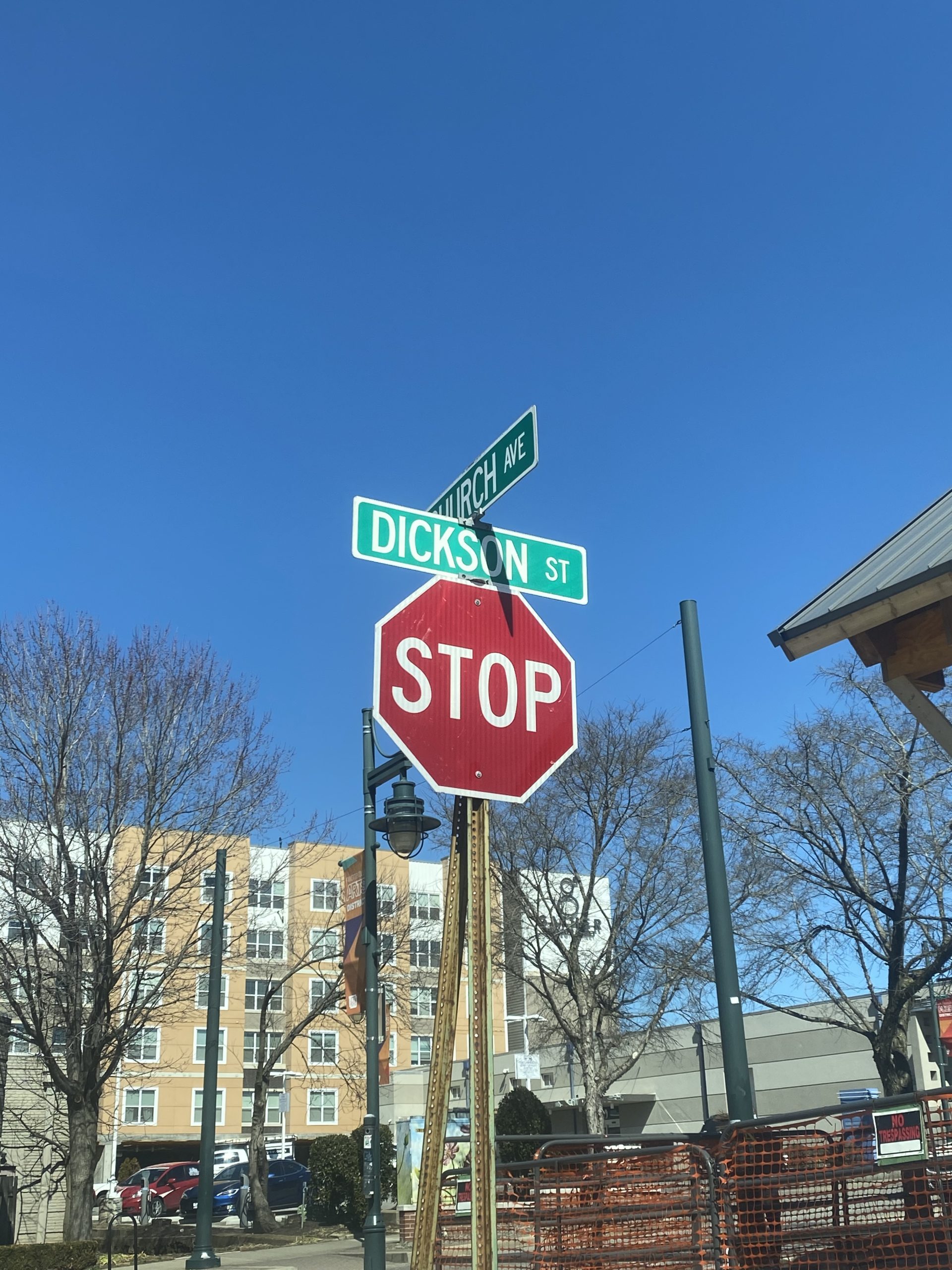
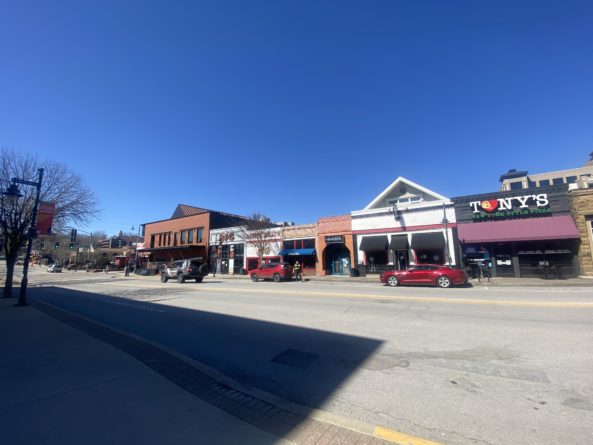
FAYETTEVILLE, Ark.– Dickson Street is one of the most major entertainment areas in Fayetteville. Year after year, local bars and businesses on Dickson Street have brought Fayetteville a large amount of revenue.
With sporting events and college students bringing in money, local bars and businesses on Dickson thrive. But, with the pandemic and overall shut down, thriving is far from what these businesses are experiencing.
Fayetteville Chamber of Commerce CEO Steve Clark says that due to COVID-19 and the shutdown, businesses on Dickson Street lost around 50% of revenue, if not more, from 2019 to 2021.
“The Dickson Street district is home to probably around 450 to 500 plus people,” Clark said. “Because of how many people it employs, it is a big part of the sales tax that supports the city of Fayetteville.”
On March 13, 2020, the pandemic struck Northwest Arkansas. The public health and oncoming economic crisis stemming from the coronavirus reached Fayetteville, with Mayor Lioneld Jordan issuing an Emergency Declaration.
Staff at Startup Junkie, the City’s Entrepreneurial and Innovation contractor, became solely focused on mitigating and responding to the largest economic low since 1933.
Clark said that this pandemic has been crippling for these local businesses.
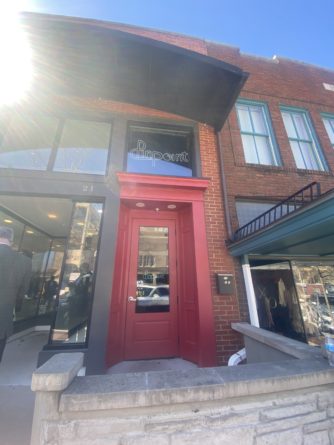
Bo Counts, owner of Pinpoint Pinball Bar said, “Revenue has been down drastically due to COVID.”
“Bars, like mine, were not only closed for over six months with zero revenue, but since reopening we’ve been down over 50% on average from last year,” Clark said.
In November of 2019, drinking businesses peaked at about $1.2 million in true taxable sales in Fayetteville.
Due to the impact of the coronavirus, these businesses peaked at around $700,000 in March of 2020.
On March 29, 2020, To-Go only options were made for restaurants and all bars were closed.
40 or more bars were closed and 380 or more businesses were impacted. This data does not count small retailers who were forced to close due to a lack of business traffic.
The lowest point of true taxable sales for 2020 was recorded at about $230,000 in April 2020.
“These businesses rely on the locals,” Clark said. “We have thrived as a city from locals.”
Information from the Arkansas Revenue office states that 90% of bars operating in Washington County are located in Fayetteville.
The 2019 fiscal year revenue states that bars brought in around $144,000. In 2020 the revenue was around $102,000. Revenue was down about 30%.
“There was not a business on Dickson Street that escaped this,” Clark said. “There is nobody that went home with more money in 2020 than they did in 2019.”
From March 2019 to November 2019, bars made around $123,000 in revenue. From March 2020 to November 2020, bars made around $70,000 in revenue. Revenue was down about 43%.
“The revenue for those Dickson Street businesses, on any given weekend, could exceed around six figures,” Clark said. “And now, all of a sudden, no one is there. They weren’t prepared to move to delivery or handle packages and hire drivers and all those issues.”
Although businesses are beginning to open back up and resume a semi-normal lifestyle, customers are still concerned about catching the virus. The vaccine has helped deafen some of this fear of leaving home, but those who are not yet able to be vaccinated still have doubts.
Governor Asa Hutchinson announced that the Emergency Declaration State Mandates are now guidelines, which allows max capacity in most places.
“Bars and restaurants are still having the same guidelines that we are supposed to follow,” Counts said. “But since they are no longer mandates, we can’t be fined for it.”
Clark said that a new concern now is those who have or have not been vaccinated.
“They went from just having people to now, ‘Will you be vaccinated? Will I be vaccinated?’ but now the question is, ‘How about the next customer in line?’,” Clark said.
The ability to vaccinate wait staff and those working in these businesses is the next step.
“It could come this summer, and that will ultimately help the local businesses,” Clark said.
Although Fayetteville is a large city, Clark said that we must all be in this together in order for it to work for all of us together.