

By: Ashantey Allison
FAYETTEVILLE, Ark. (UATV)— As concerns about drug-related overdoses grow, a Northwest Arkansas nonprofit is working to make lifesaving resources more accessible, particularly for young people and college students who may not realize they are at risk.
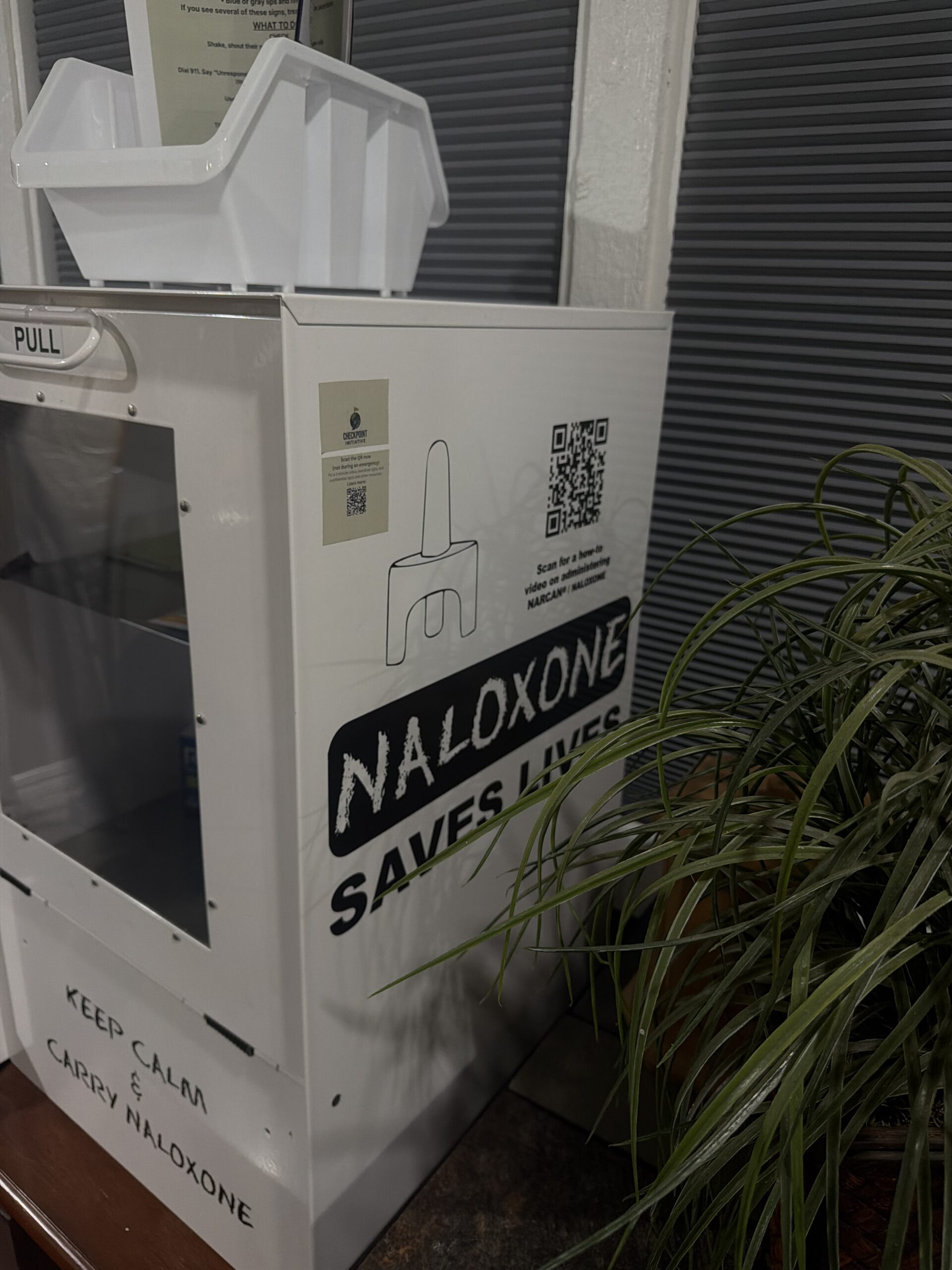
Checkpoint Initiative is a nonprofit focused on community safety through overdose prevention, drug safety and education. The organization has more than 30 access points throughout the area where people can find naloxone, also known as Narcan, and other harm reduction resources.
“We are a community safety organization. We work on a variety of things, we do naloxone access. We do prevention work, community support,” says Isis Gerschultz, Checkpoint Initiative’s director of training and education support.
Through partnerships with local businesses and community organizations, including Urban Fringe Salon, Spare Change and West End, Checkpoint Initiative provides additional locations where people can access these resources.
Gerschultz says working with different community spaces helps the organization reach people who may not otherwise know where to find naloxone or feel comfortable asking for it.
For rural communities, those access points can be especially important because emergency resources may not always be nearby.
“Rural areas don’t really have resources like you’d expect,” Gerschultz said. “There are so many barriers that might prevent somebody from having access to these lifesaving materials.”
Naloxone is a medication that can temporarily reverse an opioid overdose, helping restore breathing and giving someone time to receive emergency medical care.
While the medication is often associated with people who struggle with substance use, Gerschultz said an overdose can affect anyone.
She said college students and young adults may unknowingly encounter fentanyl or other opioids in substances at parties or other social settings.
“One of the biggest misconceptions about Narcan and naloxone is that it’s only for addicts or kind of these extreme cases that we might think of, and that is just not the case,” Gerschultz says.
That is why education remains a major part of Checkpoint Initiative’s work.
The organization provides overdose prevention and naloxone training to a variety of groups, including fraternities, sororities, nonprofit organizations, fire departments, first responders and EMTs.
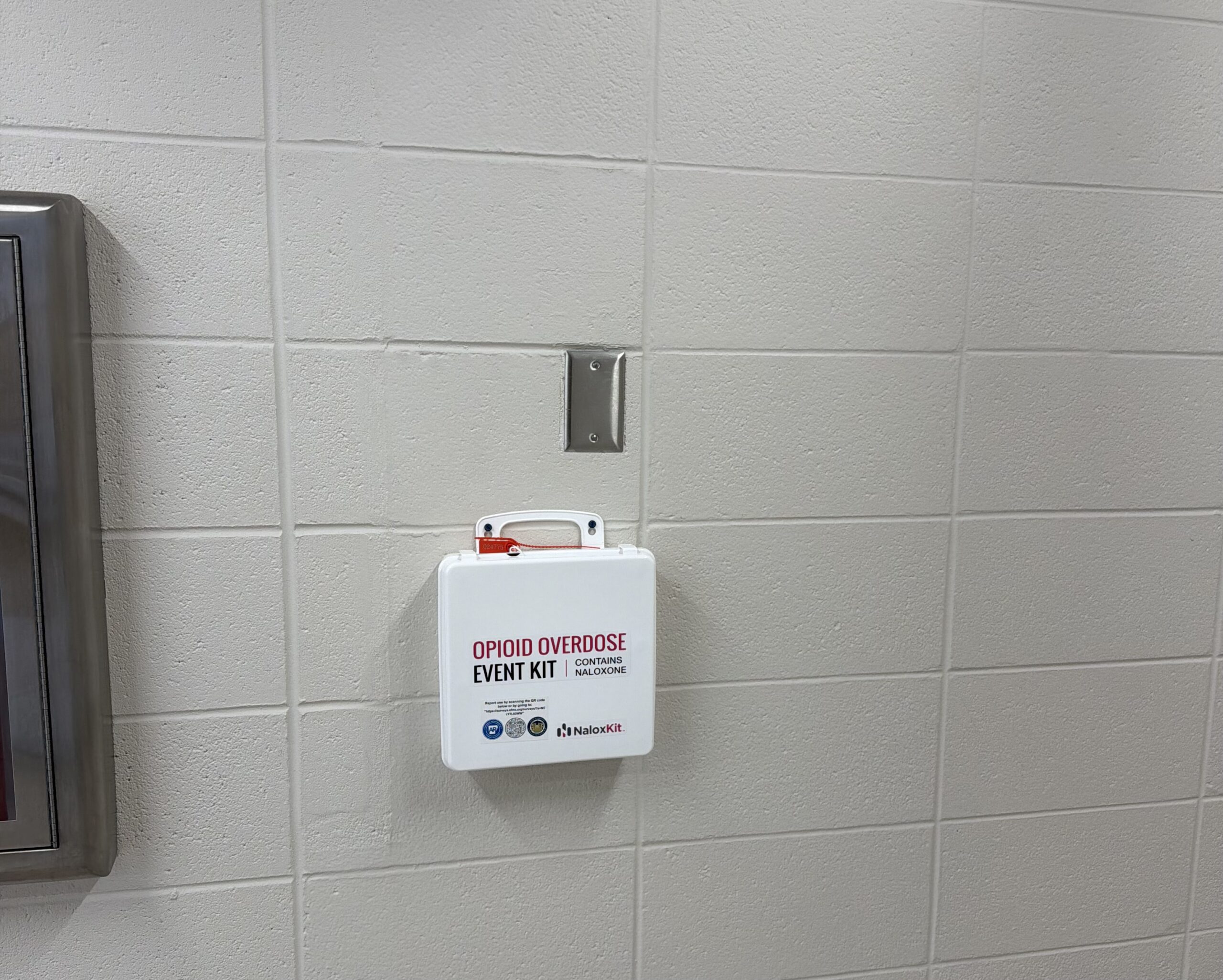
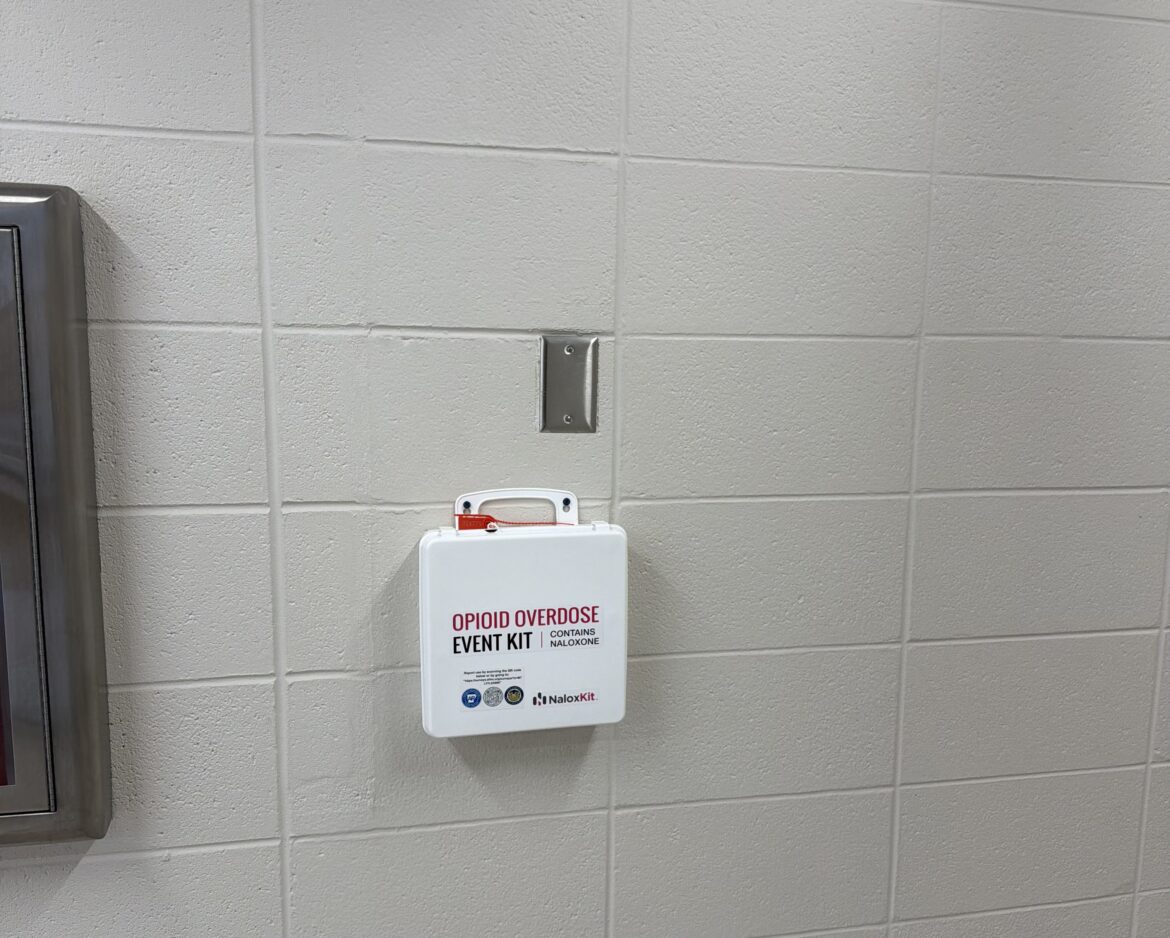
At the University of Arkansas, students can also find opioid overdose kits in multiple campus locations, including this one located in Kimpel Hall.
Gerschultz says the goal is not to create fear, but to help people understand the risks and know how to respond if an emergency happens.
As new substances continue to emerge, Checkpoint Initiative hopes to expand its education and outreach efforts so more people know how to recognize an overdose and potentially save a life.