

By: Noah Alvidres
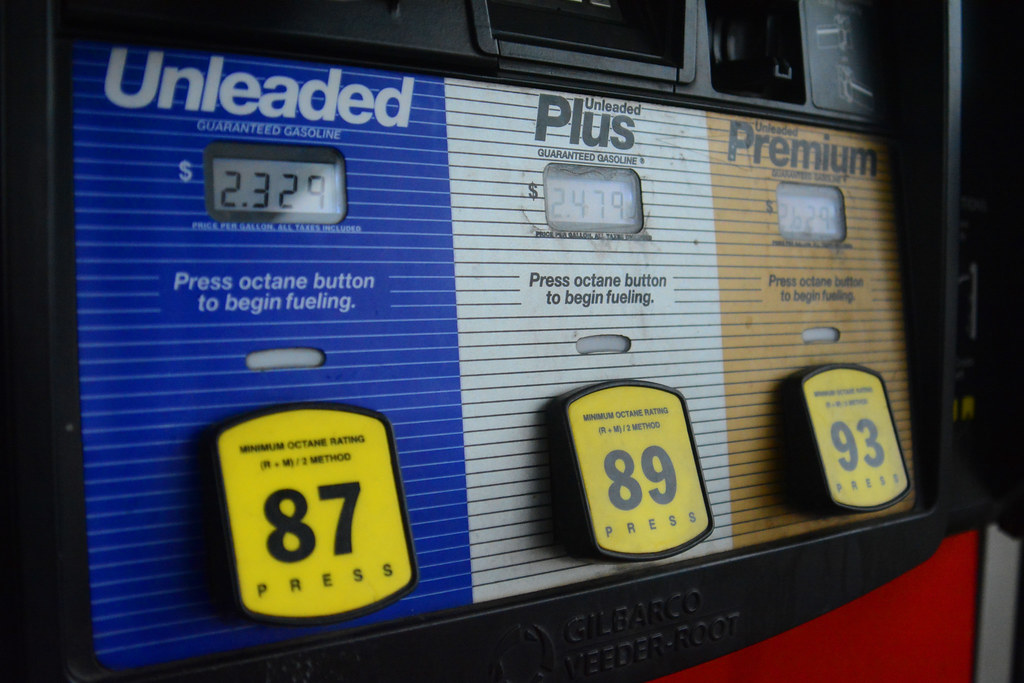
FAYETTEVILLE, Ark. (UATV) – Rising oil prices have contributed to rising gas prices across the United States, with economists like Logan Miller, pointing to global tensions, supply disruptions, and seasonal demand.
“The main contributor to the price we pay at the pump is going to be the oil prices,” Miller said. “When the price of a barrel of crude [oil] spikes, we’ll see the price at the pump spike as well.”
Crude oil prices have gone up approximately 30 to 36& in recent weeks. This has contributed to a rise in gas prices of about 20% over the past month. Miller said the increase can be brought on from three main factors: geopolitical tensions, oil supply, and the rising demand of gas.
A major implication on the rising prices is the ongoing conflict involving Iran, particularly with the disruptions in oil shipments through the Strait of Hormuz, a critical trade route and choke point in between the Persian Gulf and the Gulf of Oman. The strait is one of the more important oil shipping lines in the world. Any hindrance can have significant impacts on the global supply.
Miller said tensions in the region have contributed to the recent spike in crude oil prices, which in turn, bumps the “price at the pump.”
Along with global factors, seasonal demand also plays a role. With spring break and summer travel approaching, more people are expected to be on the road, increasing the demand for gasoline.
Urban areas are more likely to feel the impact, as gas prices tend to be higher in cities with higher populations.
Despite the recent increase, it remains unclear whether gas prices will continue to rise or begin to fall over the next year.
Miller said future prices will depend mainly on developments overseas and post-spring break and summer break season.
“It highly depends on our activity in the war with Iran, trade through the Strait of Hormuz, and what happens after the summer and spring break travel season.”
For now, drivers can expect gas prices to remain dependent on global events, and seasonal trends. Fluctuations are made more likely as those conditions change.