

By: Ellisyn Sanders
FAYETTEVILLE, Ark. (UATV) – Arkansas farmers are facing some of their toughest financial years in decades. Across the state, small family farms and large row crop operations are struggling as rising costs and falling crop prices leave many questioning whether they can stay in the agriculture business.
Economists say the cause is simple. Nearly every cost involved in running a farm keeps rising, including seed, fertilizer, fuel, equipment repairs and interest rates on operating loans. At the same time, global oversupply and weaker export demand have pushed crop prices down. Farmers are paying more to grow a crop than they can earn back when it is sold.
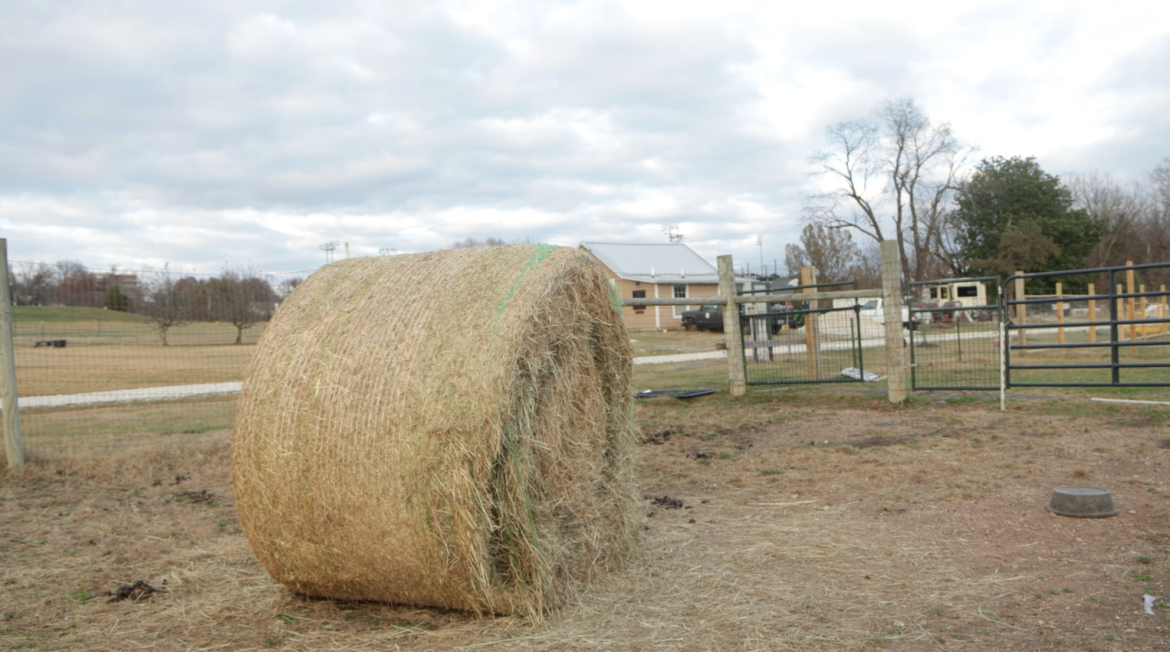
Even smaller farms are feeling the pressure. At one heritage farm in Fayetteville, the steward said that feed, supplies and general farm upkeep have doubled in just a few years. While smaller operations face their own challenges, the largest financial strain is hitting row crop growers.
A new economic report from the University of Arkansas System Division of Agriculture shows that row crop farmers are losing money on nearly every acre they plant. The analysis estimates average losses of 274 dollars per acre for corn, 353 dollars for cotton, 259 dollars for long grain rice and 85 dollars for soybeans in 2025. For farms managing hundreds or thousands of acres, those numbers add up quickly and leave little room to recover.
Agricultural economist Hunter Biram says the situation is wearing on farmers across the state.
“There is a very strong worry, but I think despair is something that comes up a lot,” Biram said. “These folks are scared. They are worried. We are talking about family farms, multi-generational farms.”
Biram says the financial pressure affects families who have cared for the same land for generations. “You have parents sitting down with their kids saying I don’t know if we can do this anymore,” he said.
Next year is not expected to offer much relief. Economists say unless major changes happen, most farmers will continue facing tight budgets and difficult choices. For now, many Arkansas farmers are focused on making it through the next season the best they can.