

By: Gigi Kraemer
FAYETTEVILLE, Ark. (UATV) — October marks LGBTQ History Month. While many programs exist around the University of Arkansas and in Fayetteville today to support members of the community, the city has a long history of queer culture.
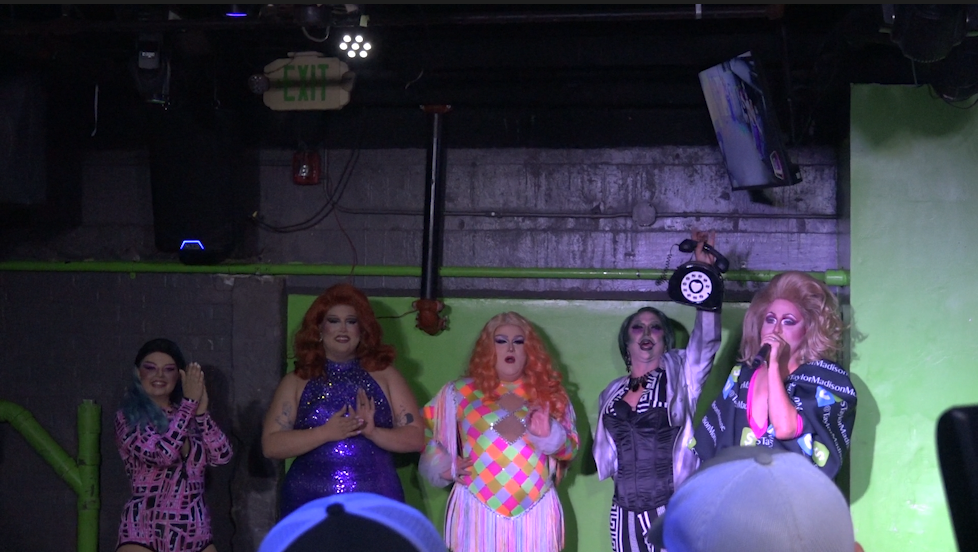
C4 Nightclub in Fayetteville hosts drag shows every Sunday, but the history of drag in the city goes back much further. Venues such as George’s Majestic Lounge and St. John’s Bar, though no longer standing, once hosted performances.
In the 1980s, performers and other members of the LGBTQ community faced stigma, especially during the AIDS crisis. Even amid those challenges, local drag performers continued to build a community grounded in acceptance and creativity.
Local performer Taylor Madison Monroe has been active in drag since the early 2000s and has gotten to know many of Fayetteville’s earlier performers.
“They laid those cobblestones and paved over that road so it was a little bit easier for me,” she said.
Today, the city continues to honor that history. Earlier this year, Fayetteville installed a historical marker at the former location of St. John’s, near where the Walton Arts Center now stands.
While the physical spaces have changed, Fayetteville’s drag community remains strong. Those connections extend beyond Arkansas’ state borders.
Last Sunday, Miss Gay America Ivy Dripp performed at C4 and reflected on her time performing around the South, including in Fayetteville and New Orleans.
While she said these places have been welcoming, being openly queer can still be difficult.
“Being in the South… it comes with its challenges and with adversity,” Dripp said.
Despite those challenges, both queens said they find joy in the art form and the relationships they’ve been able to build with it.
“It’s a family, a dysfunctional family, but what family isn’t?” Monroe said backstage before Sunday’s show.
Drag has existed for hundreds of years. In Shakespearean performances, men often played female roles, and in the United States, drag is said to have originated in the 1860s in Harlem, New York, before spreading to Washington, D.C., and beyond.
For performers like Monroe and Dripp, drag extends beyond entertainment. It’s about putting on a show and making an impact both within and outside the queer community.