

By: Ali Tejani
FAYETTEVILLE, Ark. (UATV) — The University of Arkansas is taking new steps to address parking challenges as the campus welcomes another record-setting freshmen class this fall. With more students commuting to campus than ever before, Parking and Transit Services has expanded its bus system and begun planning for a new parking garage.
Drew Watzke, a spokesperson for the U of A, said the university added more than 11,000 hours of transit service for the 2025–26 academic year. The goal is to make commuting from farther away less stressful.
“We wanted to make sure that the folks who needed to park further away felt comfortable going to those lots and still had reliable transportation up to campus,” Watzke said. “We’ve also increased the frequency of buses on some of the more popular routes, so students don’t have to wait as long.”
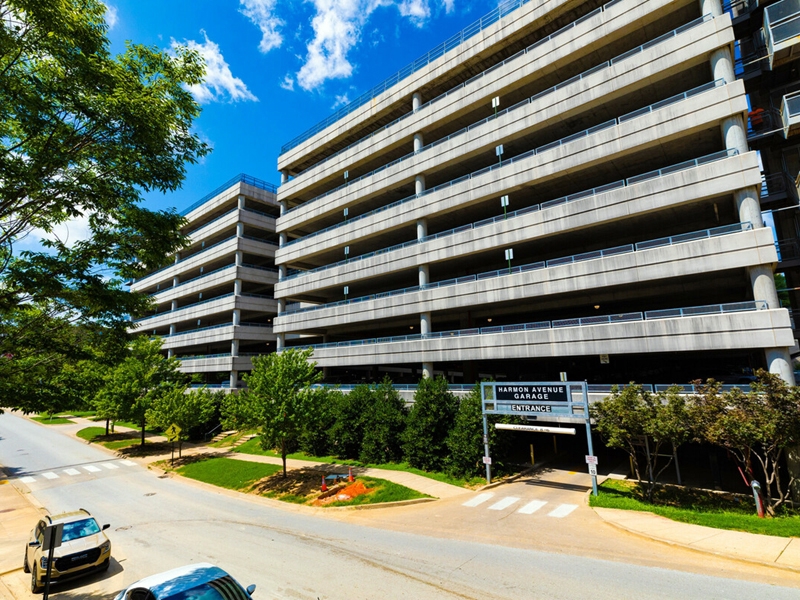
Parking has become more difficult in recent years, especially at the beginning of the fall semester when the campus is at its busiest. Watzke noted that while the system was once able to fully accommodate demand, usage has risen beyond comfortable levels. To help meet that need, the university has finalized plans to build a new parking garage.
“The timeline and location are still being ironed out, but we do know it’s coming,” Watzke said. “That decision comes in response to our facilities being more heavily used than we’d like on a consistent basis.”
In the meantime, officials are encouraging students to explore alternatives. Lot 500 on Beechwood Avenue regularly has open spaces and is connected to campus by Razorback Transit. Many students also live within walking distance of a bus stop, which can be tracked through the Passio GO! app.
“We always promote alternative transportation,” Watzke said. “Biking, scootering, or catching a nearby bus can make the commute easier—especially during the first couple of weeks when parking is toughest.”
Watzke added that by mid-September, traffic typically evens out as class attendance settles, easing the demand on parking lots across campus.